

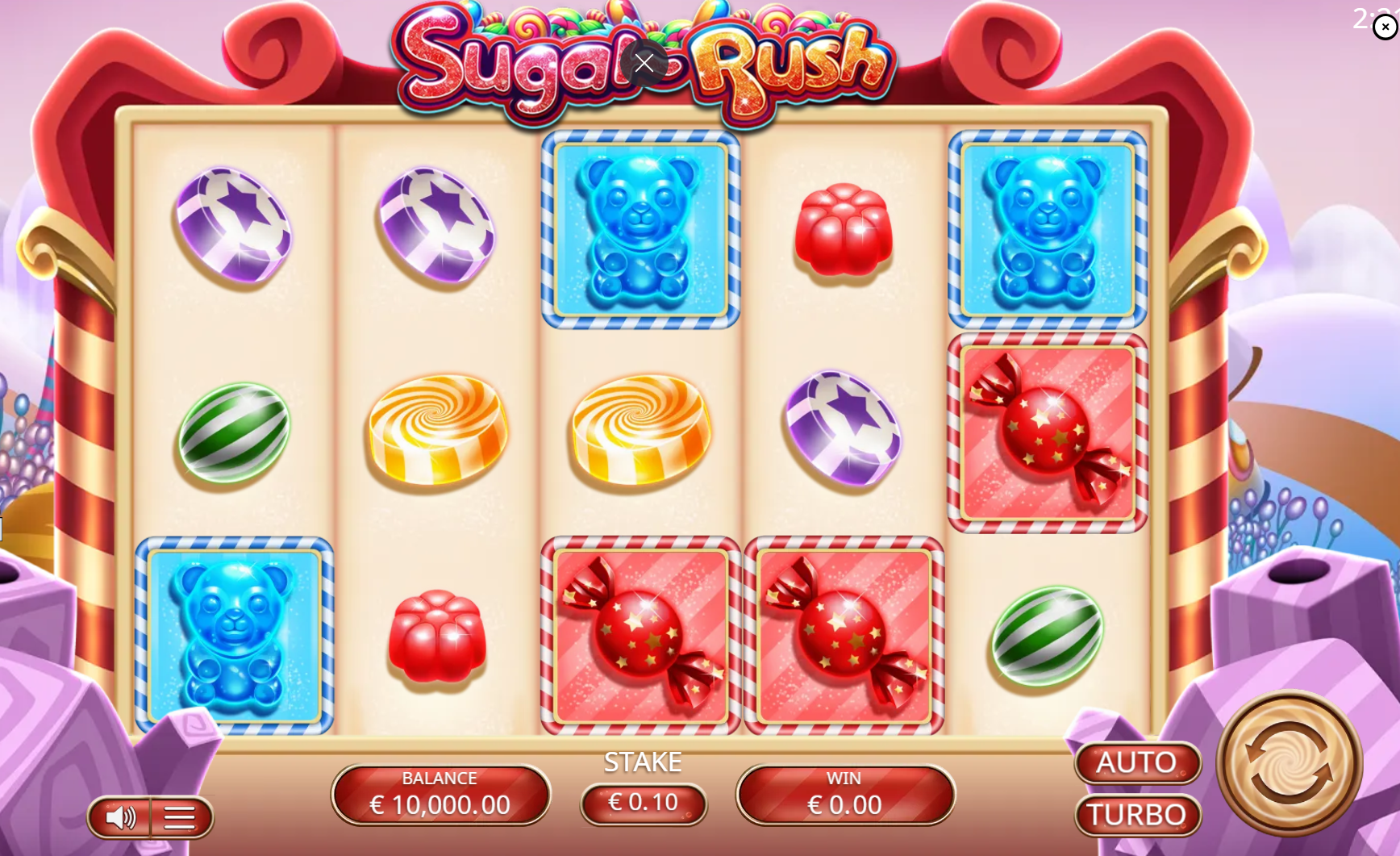
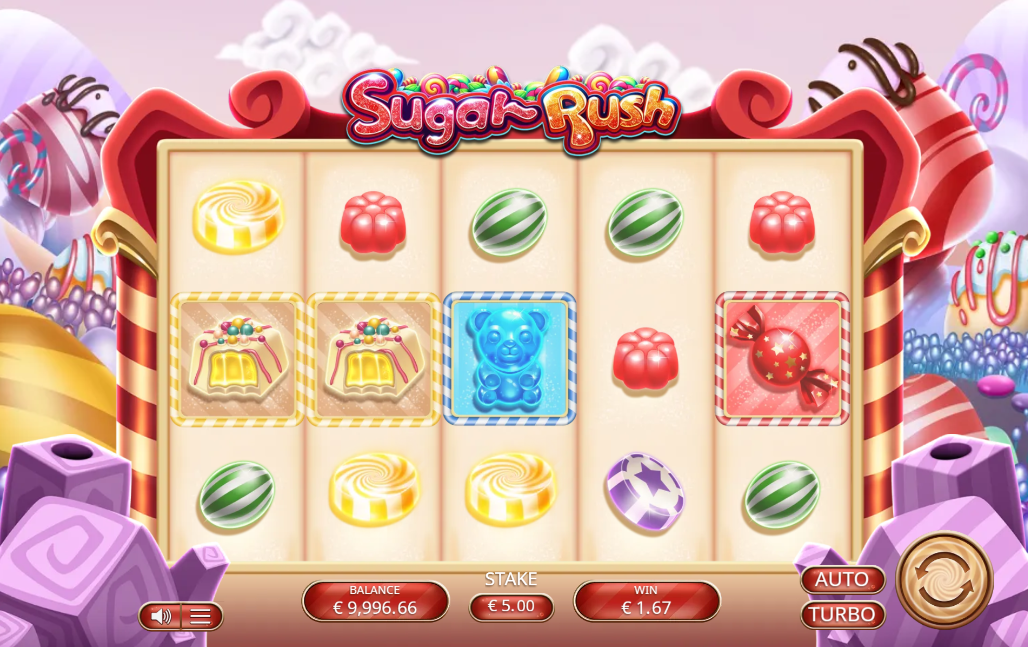
As someone who has tested Sugar Rush 2 Slot through thousands of spins, I don’t see the demo version as a toy — I see it as a tool. Sugar Rush 2 Demo is the free-play version of one of the most popular Slots developed by Pragmatic Play. The sequel expands on the original game’s candy-themed cluster mechanics and introduces enhanced multiplier stacking, deeper bonus structures, and improved volatility dynamics.
The demo mode allows players to explore the entire gameplay experience without Login or Sign up requirements. No deposit is needed, and no account creation is required in most online casinos. This makes it ideal for testing payout behavior, understanding risk levels, and evaluating whether the game matches your playing strategy before moving to real money mode.
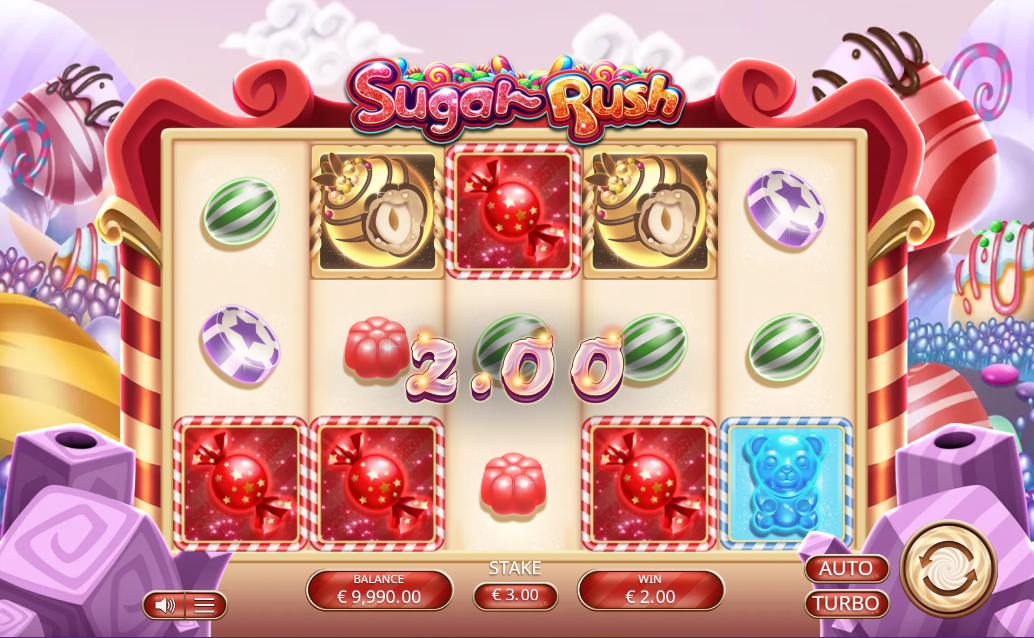
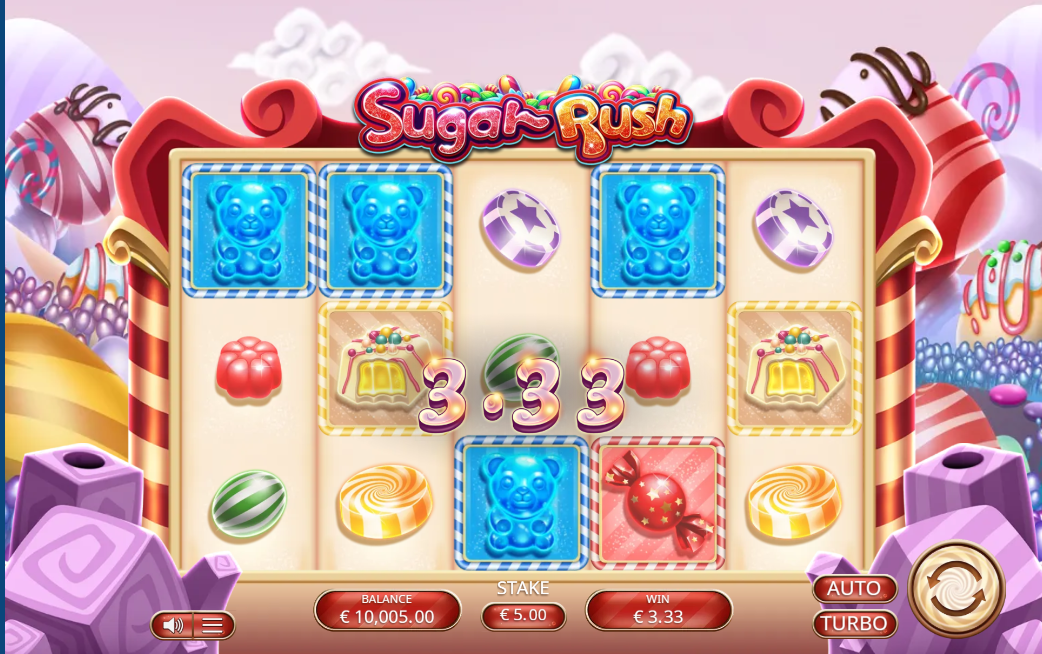
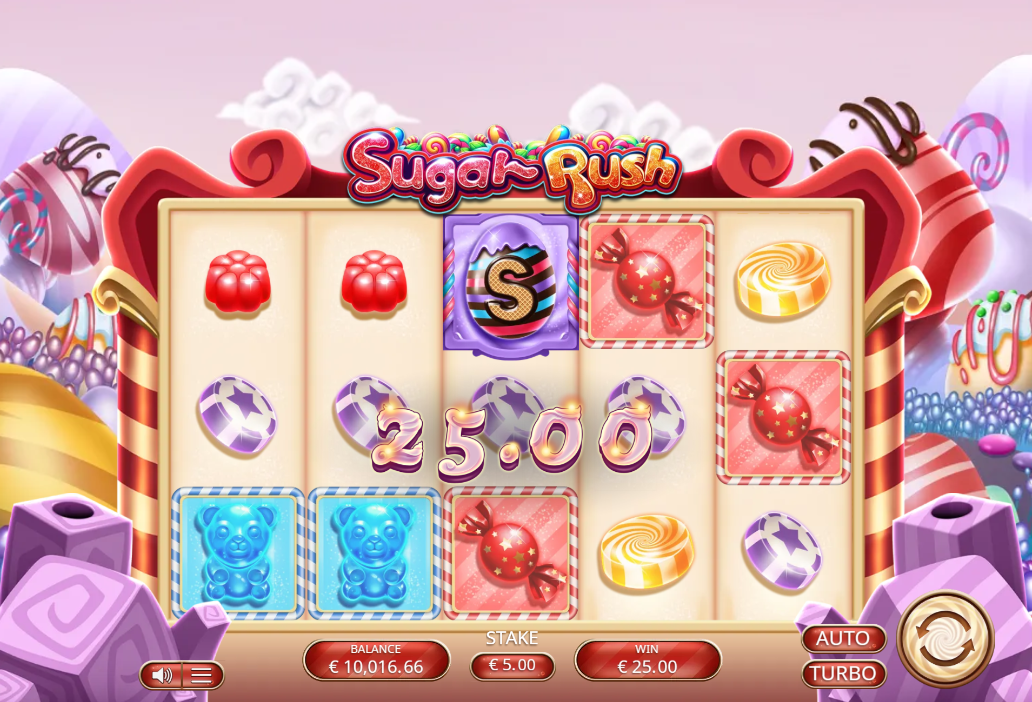
Unlike traditional reel-based Games, Sugar Rush 2 operates on a 7×7 grid using cluster pays. Wins are formed by landing five or more identical symbols connected horizontally or vertically. Every winning cluster triggers cascading symbols, increasing potential chain reactions.

During base gameplay, multipliers accumulate on winning positions. When Free Spins are triggered, these multipliers persist throughout the entire feature — significantly increasing win potential.
Game Specifications
To ensure fairness and transparency, players can reference major regulatory and auditing authorities in the iGaming sector:
Sugar Rush 2 Demo serves both beginners and experienced slot players. Beginners use it to understand cluster mechanics and bonus triggers. Experienced users evaluate volatility swings and multiplier growth during long sessions before activating real-money Bonus offers through official Links.
The demo is fully compatible with desktop and App versions of supported casino platforms, ensuring smooth access across devices.
Sugar Rush 2 Demo may look playful on the surface, but underneath the candy visuals lies a mathematically aggressive high-volatility engine. Understanding how the mechanics interact is essential if you want to evaluate risk properly before switching to real-money mode.
The game uses a 7×7 grid with cluster pays. Instead of paylines, wins are triggered by landing five or more matching symbols connected vertically or horizontally. Once a winning cluster forms, those symbols disappear and new ones cascade into place. This can create chain reactions within a single spin.
What makes Sugar Rush 2 different from many other Slots is its multiplier persistence model.
Every time a winning cluster appears, the positions involved receive a +1 multiplier. If those positions are used again in subsequent cascades, the multiplier increases further. During base gameplay, these multipliers reset after each spin. However, during Free Spins, all multipliers remain active for the entire feature.
That’s where volatility spikes dramatically.
A single well-positioned chain reaction during Free Spins can transform a modest spin into a large payout because multipliers stack across multiple cascades.
Multiplier Growth Structure
RTP and Volatility Positioning
Sugar Rush 2 has an RTP of approximately 96.50%, which places it slightly above industry average. However, the distribution of wins is heavily weighted toward bonus rounds. That means extended dry spells are statistically normal.
To better visualize its volatility positioning compared to standard slot models:
As shown above, Sugar Rush 2 firmly sits in the high-volatility tier. This means:
• Larger potential payouts
• Lower base hit frequency
• Bonus-dependent profit spikes
Free Spins Entry
The Free Spins feature activates when at least four scatter symbols land anywhere on the grid. The standard trigger awards 10 free spins, with additional retriggers possible.
During this mode:
- All existing multipliers stay active.
- New wins increase multipliers further.
- Retriggers extend the feature.
- Maximum win potential becomes realistic.
Because of this structure, many players test the Demo extensively before activating real-money Bonus offers via official casino Links.
Strategic Testing in Demo Mode
Advanced players often simulate long sessions in demo mode to analyze:
• Average spins required to trigger bonus
• Multiplier growth patterns
• Cascade frequency
• Balance swing volatility
This approach allows informed decisions before using a casino App or accessing deposit features.
Cluster Slot Comparison
From the comparison above, Sugar Rush 2 stands out because of its persistent multiplier logic during Free Spins. Unlike Sweet Bonanza, where multipliers are random per tumble, Sugar Rush 2 builds predictable multiplier zones that can be strategically observed in demo mode.
This structural difference changes how risk accumulates during bonus rounds. It also explains why the game appeals to players who enjoy calculated volatility rather than purely random explosive potential.
Popular Casino Games Alongside Slots
Although Slots dominate online casinos, players frequently combine them with other casino Games. These include:
- Roulette
- Poker
- Blackjack
- Baccarat
- Live Dealer Games
Roulette remains popular for its simplicity and balanced house edge models. Poker attracts strategic players who prefer skill elements over pure RNG. Blackjack is known for offering some of the lowest house edges when basic strategy is applied.
However, cluster-based Slots like Sugar Rush 2 offer something these table games do not: exponential multiplier stacking combined with visual cascade mechanics.
This hybrid between entertainment and volatility engineering explains why many players explore Sugar Rush 2 Demo before committing to real-money sessions.
Bonus Contribution and Win Distribution Model
High-volatility slots typically distribute a significant percentage of total RTP through bonus rounds rather than base spins. Sugar Rush 2 follows this design philosophy.
Below is a simplified distribution visualization:
The chart illustrates that a larger portion of theoretical returns comes from Free Spins mode. This is typical for high-volatility titles.
Strategic Takeaway from Demo Testing
When testing Sugar Rush 2 Demo, players should focus on:
• Average spin count before bonus trigger
• Multiplier density on grid during bonus
• Frequency of retriggers
• Peak win-to-bet ratio
Unlike lower-volatility Slots, where steady small wins dominate, Sugar Rush 2 operates on spike-based reward cycles.
For players accessing casinos via mobile App platforms, demo play is particularly valuable because it allows performance testing across devices without risking funds.
Mathematical Expectation Model
The theoretical Return to Player (RTP) of approximately 96.50% represents long-term statistical return across millions of spins. However, short-term variance can deviate significantly.
Below is a simplified expectation breakdown model illustrating how returns are distributed in high-volatility slots like Sugar Rush 2.
This distribution demonstrates why the Free Spins feature plays such a critical role in overall profitability.
Long-Session Simulation Pattern
To better understand performance over time, many experienced players simulate long demo sessions before activating real-money Bonus offers.
Typical session pattern in high-volatility Slots:
The curve illustrates a typical high-volatility trajectory:
• Gradual decline during base spins
• Occasional recovery spikes
• Significant upward movement during bonus hit
This model explains why patience and bankroll control are critical.
Risk Management Strategy
While Sugar Rush 2 Demo does not involve real funds, transitioning to paid mode requires structured discipline.
Key considerations:
• Set predefined session limits
• Avoid increasing stakes after losses
• Treat bonus triggers as probability events, not guarantees
• Understand that high volatility means longer dry cycles
Many players explore demo mode across different casino platforms or mobile App environments to evaluate performance stability before committing funds.
Strategic Comparison with Other Casino Formats
Compared to table Games such as roulette or blackjack, Sugar Rush 2 introduces exponential upside through multiplier stacking. However, unlike poker, there is no skill-based decision tree that influences outcome. The game is entirely RNG-driven.
This means:
• No strategic card counting
• No wheel bias exploitation
• No opponent psychology
Instead, strategy revolves around session planning and volatility tolerance.